What Builders Look for in a Stone Countertop Supplier

Choosing the right stone countertop supplier is an important part of keeping construction projects on schedule and meeting client expectations. Builders need quality materials, reliable service and consistent communication to ensure a smooth process from material selection through installation. Working with the right supplier can help simplify decisions, reduce delays and deliver a finished project that meets design goals.

1. Quality and Variety of Stone Countertops

Builders need access to stone countertops that meet the design, budget and performance requirements of each project. A supplier with a broad selection makes it easier to find materials that work for different styles and applications.

A strong selection helps builders accommodate client preferences while keeping projects aligned with the original design.

2. Reliable Availability and Lead Times

Material delays can affect construction schedules and create challenges for contractors, installers and homeowners. Builders benefit from suppliers who communicate clearly about product availability, ordering timelines and potential delays.

Look for a supplier who can:

  • Provide realistic lead times
  • Communicate changes in availability
  • Coordinate material orders with project schedules
  • Help identify suitable alternatives when needed

3. Knowledgeable Service and Support

Stone countertops require careful material selection, accurate measurements and proper installation. A knowledgeable supplier can help builders understand material characteristics, compare options and address questions throughout the process.

4. Materials That Meet Long-Term Performance Needs

Appearance matters, but stone countertops must also suit the demands of the space. Different materials have varying characteristics, maintenance requirements and performance considerations.

A dependable supplier can help builders evaluate options based on how the countertop will be used, the client’s preferences and the project’s specifications. Selecting the right material from the beginning supports long-term satisfaction and helps ensure the finished space meets expectations.
Why Bold Veining Is Influencing Material Selection in Modern Kitchens

Kitchen design continues to embrace materials that make a statement. Bold veining, contrasting colors and distinctive patterns are becoming popular features in modern interiors, giving countertops a more prominent role in the overall design. For homeowners, architects and designers, quartz countertops for kitchens offer a variety of colors and patterns that can help achieve this look.

Bold veining adds movement, contrast and visual interest to a kitchen. Instead of serving as a simple work surface, the countertop becomes a focal point that helps define the space.

Designers are incorporating bold veining to:

  • Create eye-catching kitchen islands.
  • Add contrast to neutral cabinetry.
  • Introduce natural-inspired patterns into modern interiors.
  • Give kitchens a distinctive, custom appearance.

Choosing Quartz Countertops for Kitchens

Quartz countertops are available in a wide range of colors and patterns, including designs with dramatic veining. This variety makes it easier to find a surface that complements the overall kitchen design.

When selecting quartz countertops, consider:

  • Veining patterns: Choose subtle movement for a refined look or bold patterns for a statement surface.
  • Color combinations: Coordinate countertop tones with cabinetry, flooring and hardware.
  • Pattern scale: Consider how the veining will appear across a large island or extended countertop.
  • Overall design: Balance prominent countertop patterns with simpler surrounding finishes.

How to Design Around Bold Countertops

When countertops feature dramatic veining, the surrounding materials can help create a balanced space. Pairing bold quartz with understated cabinetry and simple hardware allows the surface to stand out without overwhelming the kitchen.

Consider these combinations:

  • White cabinetry with gray-veined quartz for a clean, contemporary look.
  • Warm wood cabinets with beige or gold-toned veining for added warmth.
  • Dark cabinetry with contrasting quartz for a dramatic appearance.
  • Simple backsplashes that keep attention on the countertop.

Coordinating these elements early in the design process can help create a cohesive finished space.

Bold veining offers a way to introduce personality and visual interest into modern kitchens. With a variety of patterns and colors available, quartz countertops can complement a range of design styles, from understated and neutral to dramatic and contemporary.

Creating Statement Kitchens with Granite Kitchen Countertops

Kitchen design is about more than functionality. The right materials can transform a kitchen into a standout space that reflects a homeowner’s style. Granite kitchen countertops offer natural patterns, distinctive colors and lasting durability, making them a popular choice for creating eye-catching kitchens.

Why Choose Granite Kitchen Countertops?

Granite is a natural stone known for its unique patterns and variety of colors. Because every slab is different, granite countertops bring natural character to a kitchen while providing a durable surface for everyday use.

Benefits of granite include:

  • Unique patterns: Natural veining, mineral deposits and color variations make each slab distinctive.
  • Design versatility: A wide range of colors complements traditional and modern kitchens.
  • Durability: Properly installed and maintained granite can provide long-term performance.
  • Lasting appeal: Natural stone creates a distinctive look that works across changing design trends.

Make Your Kitchen Island the Focal Point

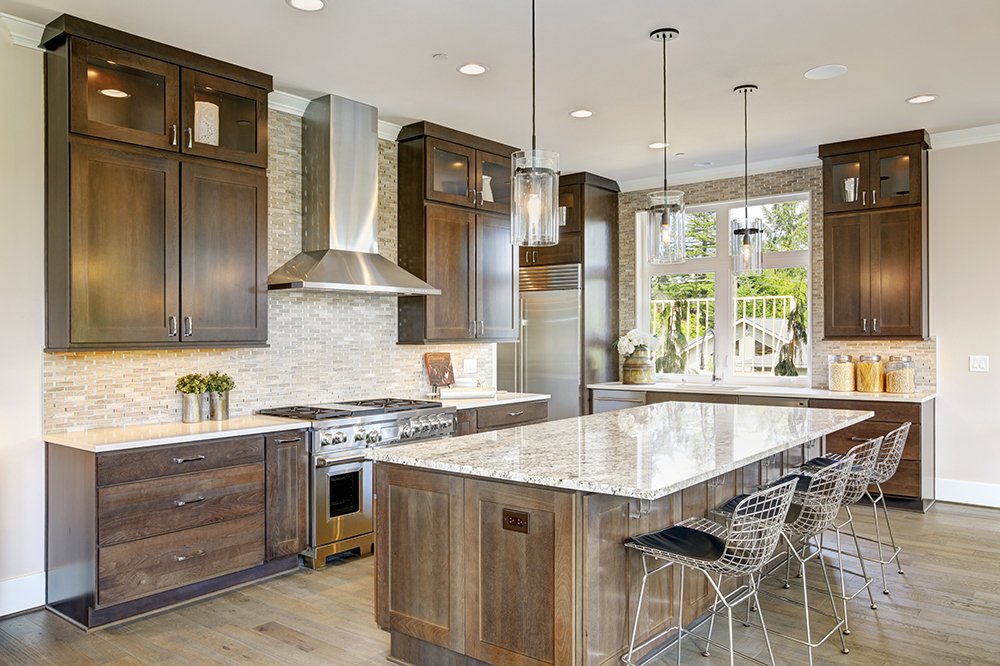
A kitchen island is an ideal place to showcase granite. Choosing a slab with bold movement, contrasting colors or distinctive mineral patterns can create a focal point that anchors the entire room.

To make the most of granite kitchen countertops, consider:

  • Pairing dramatic granite with simple cabinetry.
  • Using contrasting cabinet colors to highlight the stone.
  • Extending the countertop overhang to create a defined seating area.
  • Coordinating backsplash materials and hardware with the granite’s natural tones.

Pair Granite With Complementary Materials

Granite works well with a variety of materials and finishes. The key is creating balance between the countertop and the other elements in the kitchen.

Consider these combinations:

  • Natural wood cabinetry: Adds warmth and complements the stone’s organic patterns.
  • White or neutral cabinets: Creates a clean backdrop for granite with bold colors or movement.
  • Dark cabinetry: Creates contrast and adds depth to the design.
  • Simple backsplashes: Keeps the focus on the countertop when the granite has a prominent pattern.

Selecting complementary materials helps create a cohesive kitchen without competing visual elements.

Create a Kitchen That Stands Out

Granite kitchen countertops combine natural beauty, durability and design flexibility. From bold kitchen islands to subtle, coordinated surfaces, granite offers opportunities to create a kitchen that feels distinctive and functional.

By selecting the right slab and pairing it with complementary materials, homeowners, designers and builders can create statement kitchens that showcase the beauty of natural stone.

Sustainable Stone Countertops for Commercial and Residential Projects

Choosing sustainable materials is an important consideration for both residential and commercial construction. Natural stone countertops offer a combination of durability, long-term performance and timeless appeal, making them a practical option for a variety of projects. When responsibly quarried, processed and specified, natural stone can also support more sustainable building practices.

Why Natural Stone Is a Sustainable Choice

Natural stone is a durable material that can last for generations when properly selected, installed and maintained. Its long lifespan can reduce the need for replacement, helping limit material waste over time.

Benefits of natural stone countertops include:

  • Long-term durability: Stone can provide decades of use with proper care.
  • Natural materials: Stone is quarried from the earth and offers unique colors and patterns without manufactured surface designs.
  • Timeless appeal: Natural variations and classic aesthetics make stone suitable for a wide range of design styles.
  • Reduced replacement needs: A long-lasting surface can help minimize the resources required for frequent renovations.

Sustainable Stone for Commercial Projects

Commercial spaces often require materials that balance durability, appearance and long-term maintenance. Natural stone countertops can be an effective choice for offices, hospitality environments, retail spaces and other commercial applications.

Stone’s durability and variety of finishes allow designers to create distinctive spaces while selecting materials intended for long-term use. Proper specification and installation are essential to ensure the stone performs as expected in its intended setting.

Natural Stone for Residential Design

For homeowners, natural stone countertops offer a combination of functionality and visual appeal. Granite and other stone options provide distinctive patterns that can complement kitchens, bathrooms and other living spaces.

Choosing a durable surface that fits the household’s needs can help extend the life of a renovation and reduce the likelihood of premature replacement.

Choose Stone Countertops Built to Last

Natural stone offers a practical way to combine durability, design flexibility and long-term value in residential and commercial projects. By considering material sourcing, manufacturing practices and expected lifespan, project teams can make more informed decisions about sustainable building materials.

Slab of the Month: Autumn Quartz Brings Warmth to Every Season

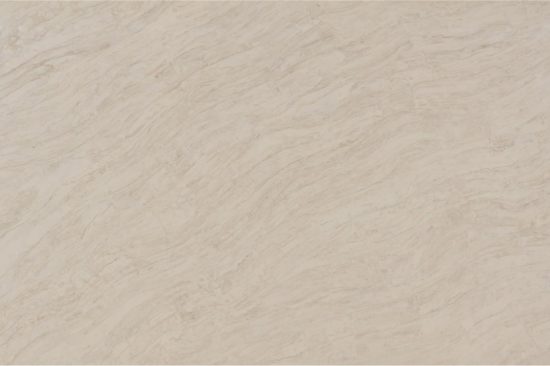
Looking for quartz slabs that bring warmth and natural beauty to a space? Autumn Quartz features creamy beige tones and golden veining that create a welcoming, sophisticated look. Its warm color palette makes it a versatile choice for kitchens, bathrooms and other interior applications, complementing a variety of design styles.

What Makes Autumn Quartz Unique?

Autumn Quartz stands out for its soft neutral background and distinctive veining. Its warm tones add depth and visual interest without overpowering the surrounding design.

Designing With Autumn Quartz Slabs

Autumn Quartz works well in spaces that call for warmth and understated elegance. Its neutral tones make it easy to incorporate into both traditional and contemporary interiors.

Consider using Autumn Quartz for:

  • Kitchen countertops and islands
  • Bathroom vanities
  • Backsplashes and coordinating surfaces
  • Other interior applications that benefit from warm, neutral tones

Pairing Autumn Quartz with natural wood cabinetry, warm metals or complementary neutral finishes can create a cohesive look. For a lighter aesthetic, consider white or cream cabinetry that allows the veining to stand out.

Bring Warmth to Your Design

Autumn Quartz combines creamy beige tones with veining to create a warm, versatile surface. Whether featured on a kitchen island or bathroom vanity, its natural-inspired appearance brings a welcoming touch to a variety of interiors.

If you’re considering quartz slabs for an upcoming project, Autumn Quartz is a beautiful option for creating a space that feels warm, balanced and inviting.

How Contractors Simplify Remodels With Granite Counters

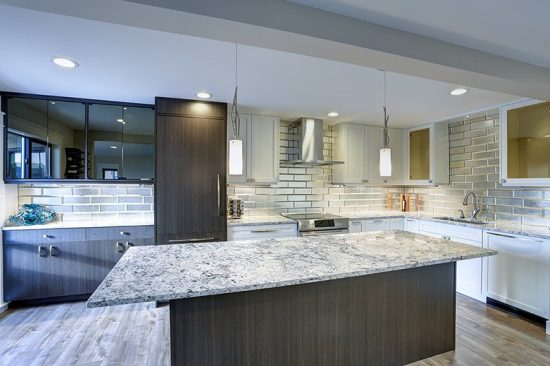
Kitchen remodels involve countless decisions, from cabinetry and flooring to backsplashes and appliances. To streamline the process while delivering lasting value, many contractors recommend granite kitchen countertops. Known for their durability, natural beauty, and versatility, granite countertops can help homeowners achieve a high-end look without overcomplicating the design process.

Why Contractors Recommend Granite Kitchen Countertops

Granite remains one of the most popular countertop materials for remodeling projects because it balances performance and aesthetics.

Benefits of Granite Kitchen Countertops

  • Durable enough for everyday kitchen use
  • Naturally resistant to heat
  • Available in a wide range of colors and patterns
  • Each slab offers a unique appearance
  • Complements a variety of cabinet and flooring styles

Considerations

  • Requires periodic sealing to maintain stain resistance
  • Natural variation means each slab is unique
  • Professional installation is recommended due to the material’s weight

How Granite Simplifies Kitchen Remodels

Works With Nearly Any Design Style
Whether a homeowner prefers a modern, traditional, farmhouse, or transitional kitchen, granite offers colors and patterns that blend seamlessly with the overall design.

Creates a Strong Focal Point
Granite countertops often become one of the most visually impactful features in a kitchen, helping contractors build the rest of the design around a single material selection.

Reduces Long-Term Maintenance Concerns
When properly cared for, granite provides years of dependable performance, making it an attractive choice for busy households.

Adds Lasting Value
Many homeowners view granite as a premium upgrade, making it a popular selection for remodels intended to improve both functionality and visual appeal.

Choosing the Right Granite for Your Remodel

Contractors often help homeowners select granite based on:

  • Cabinet color and style
  • Overall kitchen design goals
  • Desired level of pattern and movement
  • Lighting conditions within the space
  • Long-term maintenance preferences

Viewing full slabs in person can help ensure the selected stone complements the rest of the remodel.

For contractors and homeowners alike, granite kitchen countertops offer a practical way to simplify remodeling projects while creating a timeless finished space. With their durability, natural character, and design flexibility, granite countertops continue to be a trusted choice for kitchen renovations of all sizes.

Slab of the Month: Patagonia Blue Makes a Bold Design Statement

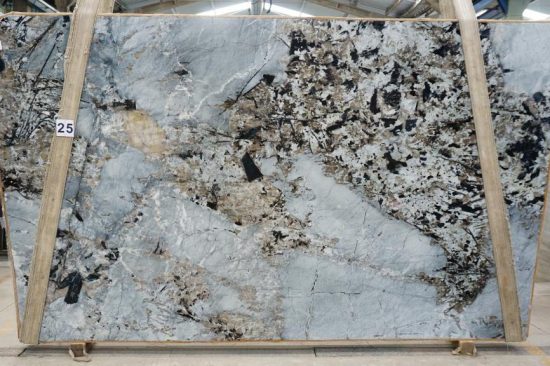
Looking for stone countertops that make a lasting impression? Patagonia Blue is a rare, semi-precious granite known for its dramatic patterns, natural quartz deposits and striking visual appeal. With the ability to backlight its translucent quartz areas, this distinctive stone creates a show-stopping focal point in kitchens, bathrooms and other interior spaces.

What Makes Patagonia Blue Unique?

Patagonia Blue stands out for its combination of natural stone and translucent quartz deposits. These unique features create depth, contrast and visual interest that make each slab distinctive.

Key features include:

  • Distinctive patterns: Natural variations in color, texture and mineral composition give each slab its own character.
  • Bold visual appeal: Its unique appearance makes it an excellent choice for statement countertops and feature surfaces.

Create a Statement With Backlit Stone Countertops

One of the most striking ways to use Patagonia Blue is with backlighting. Illuminating its translucent quartz deposits highlights the stone’s natural features and creates a dramatic effect that traditional countertops cannot replicate.

Consider Patagonia Blue for:

  • Kitchen islands that serve as a central design feature
  • Backlit bar tops and entertainment areas
  • Bathroom vanities with distinctive visual appeal
  • Accent walls and other decorative stone applications

How to Design With Patagonia Blue

Because Patagonia Blue has such a bold appearance, pairing it with complementary materials helps create a balanced space. Neutral cabinetry, simple finishes and understated hardware allow the stone’s natural patterns to take center stage.

Discover the Beauty of Patagonia Blue

Patagonia Blue combines the natural beauty of granite with the distinctive appearance of translucent quartz deposits. Whether used as a statement kitchen island or an illuminated feature surface, this rare stone offers a unique way to elevate interior design.

For projects seeking distinctive stone countertops, Patagonia Blue delivers natural character, dramatic visual interest and the opportunity to create a truly memorable space.

How Interior Designers Mix Stone Countertops for Visual Contrast

Kitchen design in 2026 continues to prioritize cohesion, simplicity, and natural materials. Within that refined approach, interior designers are thoughtfully mixing stone countertops to introduce depth and visual contrast, without disrupting the overall harmony of the space.

Designers are layering complementary stone surfaces to create kitchens that feel curated, architectural, and highly customized.

Why Designers Are Mixing Stone Countertops

Modern kitchens are no longer one-dimensional. By combining different stone countertops, designers can subtly define focal points, create balance, and elevate the overall composition.

This strategy allows for:

  • Greater design flexibility
  • Visual depth without clutter
  • Highlighting a statement island or feature area
  • Balancing bold veining with understated surfaces
  • A more personalized, one-of-a-kind result

The emphasis is on thoughtful contrast that enhances the material — not distracts from it.

Refined Approaches to Mixing Stone

Statement and Supporting Surfaces
A dynamic quartzite or granite with expressive movement may be selected for a central island, while a quieter, neutral stone anchors the perimeter cabinetry. Shared undertones ensure the surfaces feel connected.

Tonal Layering
Instead of pairing light and dark extremes, many designers choose stones within the same color family, such as warm creams and soft taupes, to introduce dimension while maintaining cohesion.

Texture Contrast
Another subtle method involves varying finishes. A polished surface can be complemented by a honed or leathered finish, creating visual interest through texture rather than dramatic color shifts.

These techniques allow stone countertops to feel layered and intentional.

Maintaining Cohesion While Introducing Contrast

When mixing materials, designers pay close attention to:

  • Coordinating warm or cool undertones
  • Balancing veining scale and direction
  • Aligning with cabinetry, hardware, and flooring
  • Preserving a clean, uncluttered aesthetic

A Sophisticated Approach to Custom Kitchens

Mixing stone countertops reflects a broader move toward personalization in high-end kitchen design. Rather than selecting a single material throughout, designers are curating surfaces that complement one another and elevate the overall space.

When executed thoughtfully, this approach creates kitchens that feel refined and dimensional, showcasing the natural beauty of stone in a way that is both modern and enduring.


Full Height Slab Backsplashes That Transform Custom Kitchens

Sleek, uninterrupted design is a defining focus for 2026. Clean lines, continuous materials, and architectural simplicity are reshaping how custom kitchens are conceived. Among the most influential features leading this movement is the rise of full height slab backsplashes.

A stone backsplash with full height slab backsplashes does more than carry countertop material up the wall. It transforms the vertical surface into a design statement, creating visual impact, architectural cohesion, and a refined sense of permanence within the space.

Elevating Stone Beyond the Countertop

While traditional backsplashes serve a functional role, full height slab applications elevate the concept entirely. This approach treats the stone as a continuous architectural surface rather than a secondary finish.

A full height stone backsplash offers:

  • A clean, uninterrupted visual plane
  • Fewer seams for a refined aesthetic
  • A dramatic canvas for natural veining and movement
  • A high-end, custom-built appearance

By eliminating tile grout lines and segmented materials, designers allow the natural stone to command attention.

Why Full Height Stone Backsplashes Are Trending for 2026

Design direction is moving toward simplicity with intention. Rather than layering multiple materials, designers are embracing singular, high-impact surfaces that create cohesion throughout the space.

Full height slab backsplashes support this shift by:

  • Enhancing the scale and openness of the room
  • Creating architectural continuity
  • Showcasing premium stone selections
  • Delivering a timeless, modern aesthetic

The result is a space that feels curated and composed rather than fragmented.

Highlighting the Natural Beauty of Stone

This design approach is especially powerful when using natural stone with distinctive movement and character. Quartzite, granite, and marble slabs become focal features when installed at full height.

As uninterrupted design takes center stage in 2026, full height slab backsplashes are redefining custom kitchens. A stone backsplash with a full height slab backsplash delivers more than material continuity, it introduces scale, presence, and architectural refinement.